

White walls are timeless for a reason. They’re fresh, light-enhancing and give a beautiful sense of space. But on their own, they can sometimes feel a little flat or cold — especially in rooms that lack architectural detail or natural warmth. Here’s how to warm up white walls…
The secret to elevating a basic white-walled space isn’t necessarily more colour — it’s texture, tone and thoughtful layering.
Start with Soft Neutrals for Calm & Cohesion
Before introducing colour, it’s important to establish a calming base. Soft neutrals — think warm whites, stone, sand, oat, mushroom, greige and pale taupe — create a sense of peace and balance that allows a room to breathe.
These hues sit quietly in the background, never shouting for attention, and they prevent a space from feeling visually jarring or chaotic. When your base palette is gentle and harmonious, everything else you add feels intentional rather than overwhelming.
Neutrals also provide longevity. They don’t date quickly and they adapt beautifully as your tastes evolve.
Texture Is Where the Magic Happens
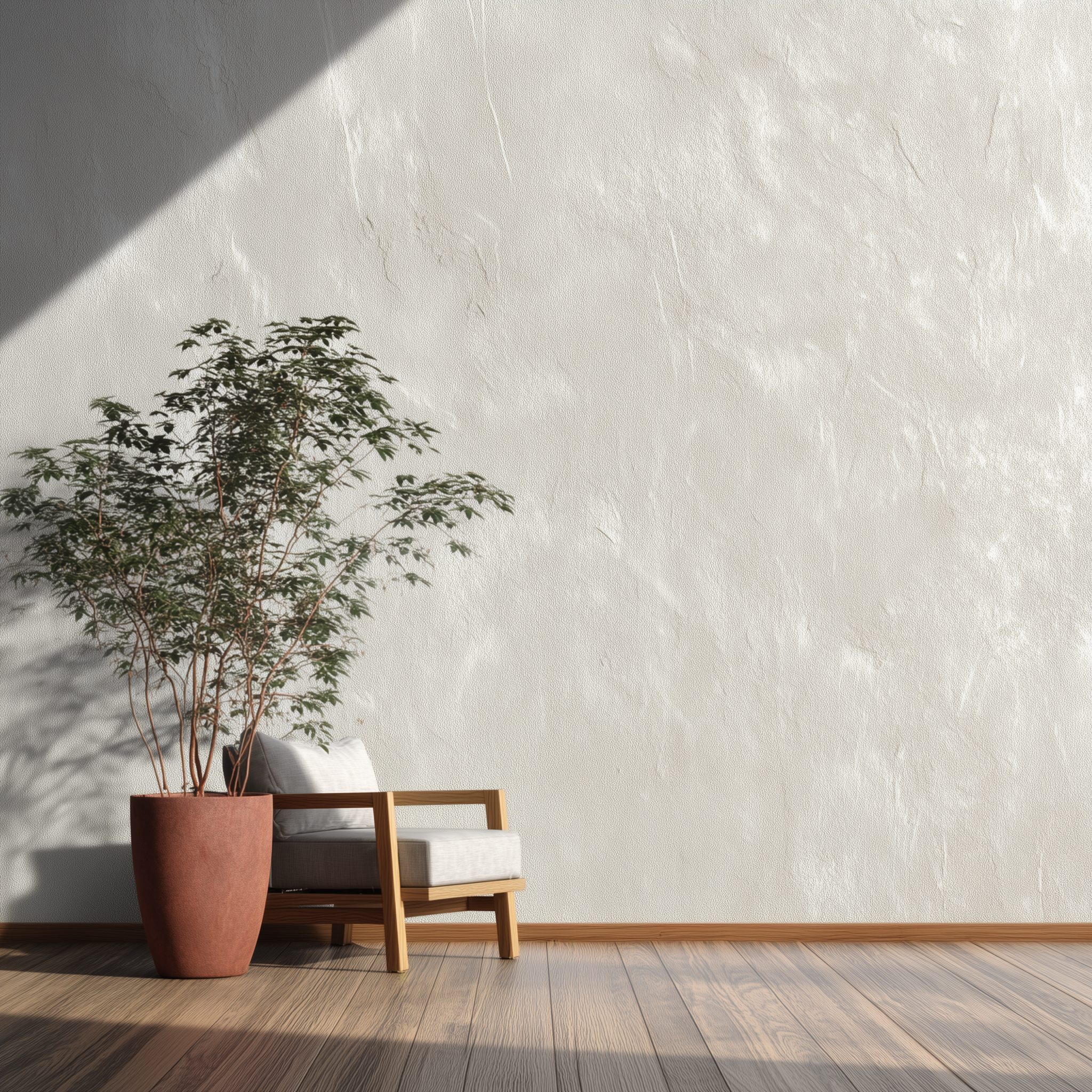
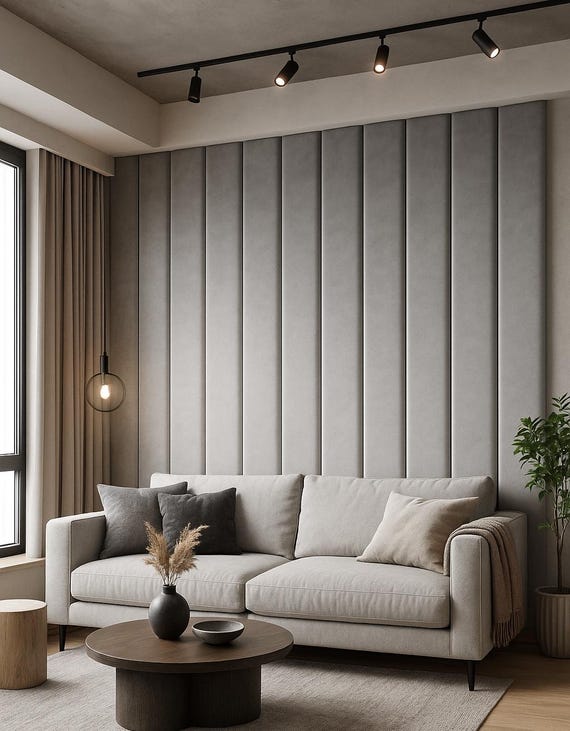
Texture is what turns a room from nice into inviting.
If you love white walls but want warmth, texture is your best friend. Consider:
-
Subtle limewash or mineral paints for soft movement
-
Timber battens or slatted wall details
-
Fabric-wrapped panels or upholstered walls
-
Plaster, Venetian finishes or gentle render effects
These elements add depth and character without introducing bold colour — meaning the space still feels calm, cohesive and timeless.
Texture engages the senses. It creates warmth visually and emotionally, making a room feel layered and lived-in rather than stark.
Keep Colour Flexible with Soft Furnishings
If colour is your thing (and for many of us, it is!), the best place to introduce it is through soft furnishings and accessories, not permanent finishes.
Cushions, throws, rugs, artwork, lampshades and decorative objects allow you to:
-
Change your look seasonally
-
Reflect your mood or current style
-
Experiment without long-term commitment
Today it might be soft blush and clay tones. Tomorrow, sage, olive or muted blues. When colour lives in your styling rather than your walls, your home can evolve as you do.
This approach also ensures that nothing feels too dominant or overpowering — colour becomes an accent, not a distraction.
A Home That Feels Calm, Warm & Adaptable
The most beautiful interiors aren’t loud. They’re layered, considered and quietly confident.
By working with a base of soft neutrals, adding texture for warmth and depth, and introducing colour through easily changeable elements, you create a space that feels calm, welcoming and endlessly adaptable.
White walls don’t have to be boring — they just need the right supporting cast.


